Your commercial cleaning cost in Brisbane in 2026 depends on the work, the condition of the site and how the cleaners can access it; get a written, site-specific quote before setting a budget. Check whether that quote includes carpet steam cleaning, floor restoration, high-access work and other specialist tasks rather than assuming they form part of the routine clean.
- Commercial cleaning cost Brisbane: compare written scopes, not headline totals alone.
- Separate routine cleaning from carpet steam cleaning, strip and seal, and high-access work.
- OZLINK Facility Services suits Brisbane facility managers seeking specialist cleaning alongside commercial maintenance.
- Ask each contractor to identify exclusions, access requirements and the process for approving extra work.
Why this matters
A cleaning quote is only useful when you know what it buys. A total without a task list leaves you guessing about bathrooms, kitchens, floor treatments and work outside normal access hours.
For your 2026 budget, start with the required outcome: regular upkeep, a specialist treatment or a handover-ready site. OZLINK Facility Services provides commercial maintenance and specialist cleaning across Brisbane, South East Queensland and selected regional Queensland locations. That service mix is relevant when a dirty surface also needs maintenance, but cleaning and repairs still need separate scope descriptions.
How much does commercial cleaning cost in Brisbane in 2026?
The amount you should budget is the contractor’s written quote for your defined site and service schedule. Do not treat a general cleaning allowance as a confirmed price for specialist work. Ask for the recurring scope and any separate treatments to be identified before you approve the job.
Use this breakdown to make competing proposals comparable:
| Scope component | What the quote should identify | What to check before approval |
|---|---|---|
| Routine cleaning | Rooms, surfaces, tasks and attendance schedule | Whether kitchens, bathrooms and shared areas are included |
| Carpet steam cleaning | Carpeted areas and treatment requirements | Furniture movement, access and return-to-use instructions |
| Hard floor care | Floor material, condition and proposed treatment | Whether the work is cleaning, strip and seal, or restoration |
| High-access cleaning | Windows, elevated surfaces and access arrangements | Equipment, exclusion areas and coordination requirements |
| Builders or lease-end cleaning | Handover areas, required tasks and site condition | Whether cleaning and repair obligations are separately listed |
Send the same scope to every contractor. Otherwise, you are comparing different jobs rather than different proposals for the same job.
For example, a proposal covering accessible internal glass is not equivalent to one covering high-access external windows. Resolve the difference in writing instead of assuming that the word windows covers both.
Routine cleaning: best for ongoing upkeep
Routine cleaning suits occupied premises that need a repeatable task schedule. Specify the areas to be cleaned, the surfaces involved and what constitutes an acceptable finish rather than relying on a broad description such as general clean.
Its advantage is a defined baseline: you can inspect the same tasks against the same requirements. Its limitation is scope. A routine clean should not be treated as a substitute for carpet extraction, floor restoration or work requiring specialist access.
For your 2026 agreement, distinguish tasks required at every attendance from periodic tasks. Ask the contractor to state how changes to occupancy, room use or the cleaning schedule will be approved.
Best for: facility managers who need consistent upkeep with clear inspection criteria. Keep specialist treatments visible as separate scope items.
Specialist cleaning: best for a defined surface problem
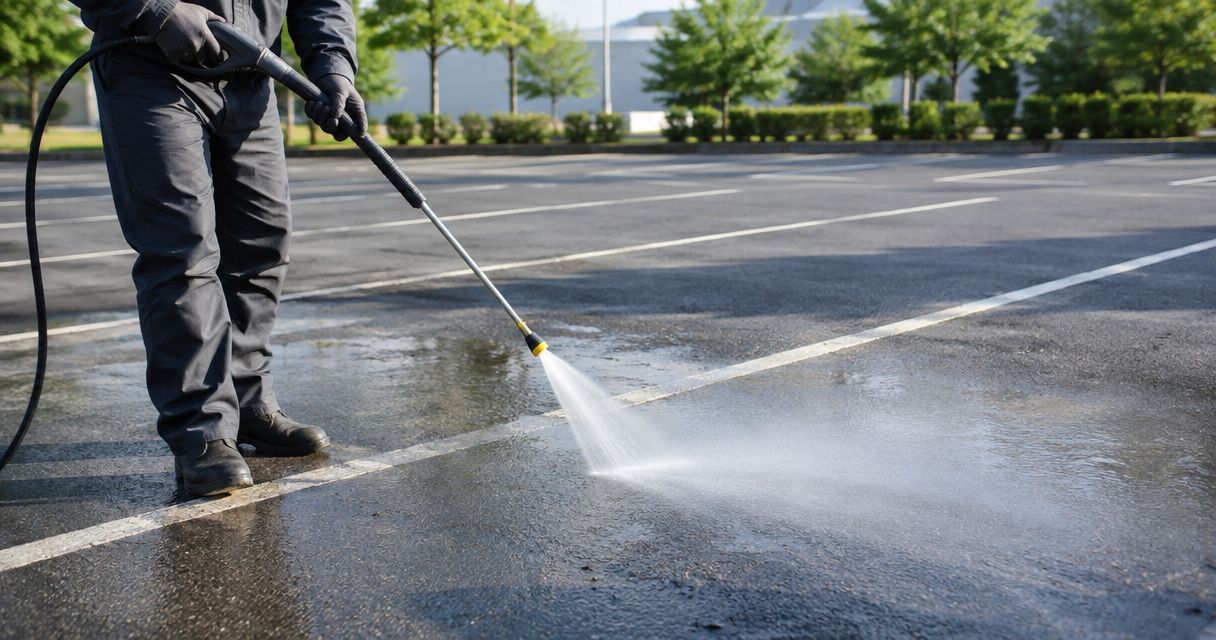
Specialist cleaning addresses a specific task, such as carpet steam cleaning, pressure washing, high dusting or high-access window cleaning. Describe the problem and the surface before asking for a proposed method.
The advantage is a task-specific approach. The limitation is that access, preparation and return-to-use requirements need their own planning; do not assume the space remains usable throughout the work.
For carpets, identify the affected rooms and whether furniture needs moving. The guide to commercial carpet cleaning for medical clinics is relevant when you are scoping work around treatment spaces and occupied rooms.
Best for: a facility with an identified cleaning problem that routine upkeep does not address. Confirm the expected result without accepting an unsupported promise that every stain or mark will disappear.
Hard floor care: best for treatment beyond routine cleaning
Hard floor cleaning, strip and seal, and floor restoration describe different work. Start by identifying the flooring material, its condition and any known coating or maintenance history.
The advantage of a separate floor-care scope is clarity about what will be treated. The limitation is that appearance alone does not identify the right treatment or establish that a floor is safe for its intended use.
Ask the contractor to explain the proposed method, preparation and ongoing care requirements. If the concern is slipperiness, describe when and where it occurs; a glossy finish is not evidence that a safety issue has been resolved.
Best for: facility managers dealing with worn finishes or a floor that needs assessment beyond routine cleaning. Treat cleaning outcomes and safety requirements as related but separate checks.
Builders and lease-end cleaning: best for handover work
Builders cleans and commercial end-of-lease cleaning need an agreed handover scope. List the areas, surfaces and outstanding tasks, and distinguish cleaning from repairs or make-good work.
The advantage is a clear inspection target. The limitation is that a clean cannot resolve damaged finishes, incomplete construction or every obligation in a lease.
Confirm when the site will be ready for cleaning and who controls access. If trades are still working, agree how additional mess and any requested return attendance will be handled before the job starts.
Best for: builders, property managers and tenants preparing a commercial site for inspection. Match the cleaning brief to the actual handover requirements rather than a generic checklist.
Why commercial cleaning quotes vary
For a useful Brisbane commercial cleaning comparison in 2026, document these factors before requesting proposals:
- Service scope: Routine upkeep, carpet steam cleaning, pressure washing and high-access work require different task descriptions. State exactly which services you want quoted.
- Surface condition: Record visible staining, accumulated residue, worn coatings and damaged areas. Ask the contractor to distinguish cleanable material from a maintenance problem.
- Access requirements: Identify elevated windows, restricted rooms, shared access routes and any equipment access constraints. Make responsibility for access arrangements explicit.
- Attendance schedule: State when the building can be accessed and which areas must remain operational. Ask how the proposed work fits those restrictions.
- Preparation and handover: Confirm furniture movement, removal of loose items, site readiness and inspection responsibilities. Do not leave these tasks unassigned.
- Maintenance coordination: Cleaning, repairs and make-good work need an agreed sequence. Ask who will coordinate the work when several trades or services are involved.
These details explain differences in proposals without relying on an assumed Brisbane-wide rate. A contractor should be able to connect the proposed work to the conditions at your site.
How do you get a comparable commercial cleaning quote?
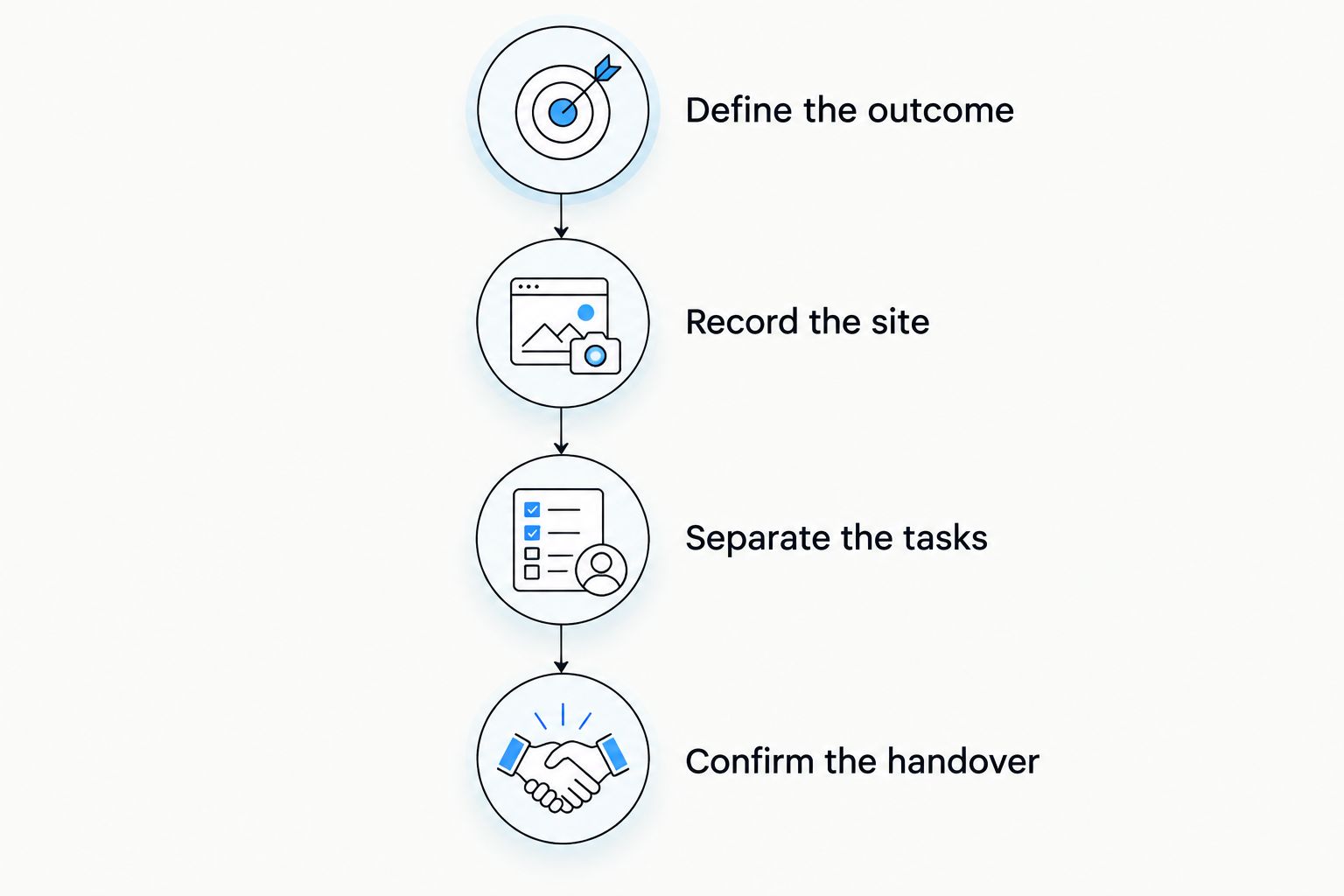
Use the same brief and approval process for every contractor. This gives you a practical basis for choosing between proposals without confusing a narrower scope with better value.
- Define the outcome. State whether you need ongoing upkeep, a specialist treatment or a handover clean. Describe the problem in plain language.
- Record the site. Provide a room list, surface details, photographs and relevant access restrictions. Identify areas that need an on-site inspection.
- Separate the tasks. Put routine work, specialist cleaning and repairs into distinct scope items. Ask contractors to flag work they have not included.
- Confirm the handover. Agree on inspection, return-to-use instructions and how additional work will be authorised. Keep the accepted scope with the work order.
A useful brief also names the person authorised to approve changes. If a cleaner finds an unexpected issue, that person should receive a description of the proposed additional work before it proceeds.
For your 2026 procurement file, retain the accepted proposal, agreed exclusions and any written variations together. That makes it easier to resolve a disagreement about what was requested.
What should you check before accepting the quote?
Check the exclusions as carefully as the inclusions. A detailed task list still leaves room for disagreement if nobody has assigned preparation, access or inspection responsibilities.
Ask whether the proposal includes equipment and cleaning materials, what you must clear beforehand, and who moves furniture. Confirm whether the contractor needs access outside occupied hours and what instructions apply before staff or visitors return.
Then check the outcome language. Clean the floor does not specify whether the contractor is removing loose soil, treating residue or restoring a worn finish. Request a description that matches the problem you need solved.
OZLINK Facility Services is best for Brisbane facility managers seeking specialist cleaning alongside commercial maintenance. Its stated services include carpet steam cleaning, strip and seal, floor restoration, high-access cleaning and commercial make-good works; the relevant limitation is that this service range does not make every task part of your cleaning quote.
Discuss your cleaning scope
Describe the site, access restrictions and specialist tasks before requesting a written proposal.
Is routine cleaning enough for worn commercial floors?
Routine cleaning does not repair a damaged floor or replace an assessment of worn finishes. Ask for the floor material and condition to be checked before approving strip and seal or restoration.
Keep your safety concern explicit. If the issue is a slippery entrance or a worn circulation route, specify that problem rather than asking only for a better-looking finish.
Does a commercial cleaning quote include repairs?
A commercial cleaning quote includes repairs only when the written scope explicitly includes them. Cleaning and commercial maintenance are different tasks, even when the same contractor provides both.
Record damaged skirting, leaking fixtures and defective finishes separately. That prevents a cleaning inspection from becoming a dispute about maintenance work nobody authorised.
Should you choose the lowest total?
Choose the proposal that meets the agreed scope and access requirements, not a total detached from its inclusions. If proposals differ, ask each contractor to quote the same tasks before deciding.
A clear exclusion is more useful than a vague promise. You can plan around an identified gap; an unstated assumption is harder to manage once work begins.
FAQ
How do I find my commercial cleaning cost in Brisbane?
Request a written, site-specific quote using a defined task list and attendance schedule. Identify specialist work, access restrictions and preparation responsibilities so you can compare equivalent proposals.
Is carpet steam cleaning included in commercial cleaning?
Carpet steam cleaning is included only when the accepted scope lists it. Specify the carpeted areas, furniture arrangements and required return-to-use instructions before approving the work.
Does commercial cleaning include floor stripping and sealing?
Floor stripping and sealing must be explicitly included in the quote. Ask the contractor to identify the flooring and proposed treatment rather than treating it as routine floor cleaning.
Can I get a cleaning quote from photographs?
Photographs help you describe the site, but ask the contractor whether an inspection is needed before the quote is confirmed. Include access restrictions and surface details that photographs do not show.
What should I ask about high-access window cleaning?
Ask which windows are included, how they will be accessed and who will coordinate any restricted areas. Keep high-access work distinct from accessible internal glass cleaning in the scope.
Can OZLINK Facility Services handle cleaning and maintenance?
OZLINK Facility Services provides commercial maintenance and specialist cleaning, including carpet steam cleaning, floor restoration and high-access cleaning. Request a written scope identifying which services are included for your site.
What should a Brisbane cleaning agreement include in 2026?
A Brisbane cleaning agreement in 2026 should identify the site, tasks, schedule, exclusions and approval process for additional work. Include access responsibilities, inspection arrangements and relevant return-to-use instructions.
One last thing
Ask what cleaning will not fix. A damaged floor, failed finish or unresolved leak needs a maintenance decision, not another vague instruction to clean harder.
Before approving your 2026 cleaning scope, list those defects separately and assign responsibility for resolving them. That keeps the cleaning outcome measurable and the maintenance work visible.